SOUND HEALING JOURNEY
"The power of sound to integrate and cure...is ancient and primal. Music is part of the universal language of healing."
― Dr. Mitchell Gaynor
Sound Healing Sessions
An embodied, nervous-system–informed approach to sound as medicine
Sound has a way of reaching places words cannot.
In my work, sound healing is not about fixing, bypassing, or chasing a peak experience. It is a deeply embodied, regulated process that supports the nervous system, reorganizes internal patterns, and creates the conditions for real integration and change.
I offer sound healing as a standalone 90-minute session or woven into individual therapy, depending on what best serves your system in that moment.


What Sound Healing Is
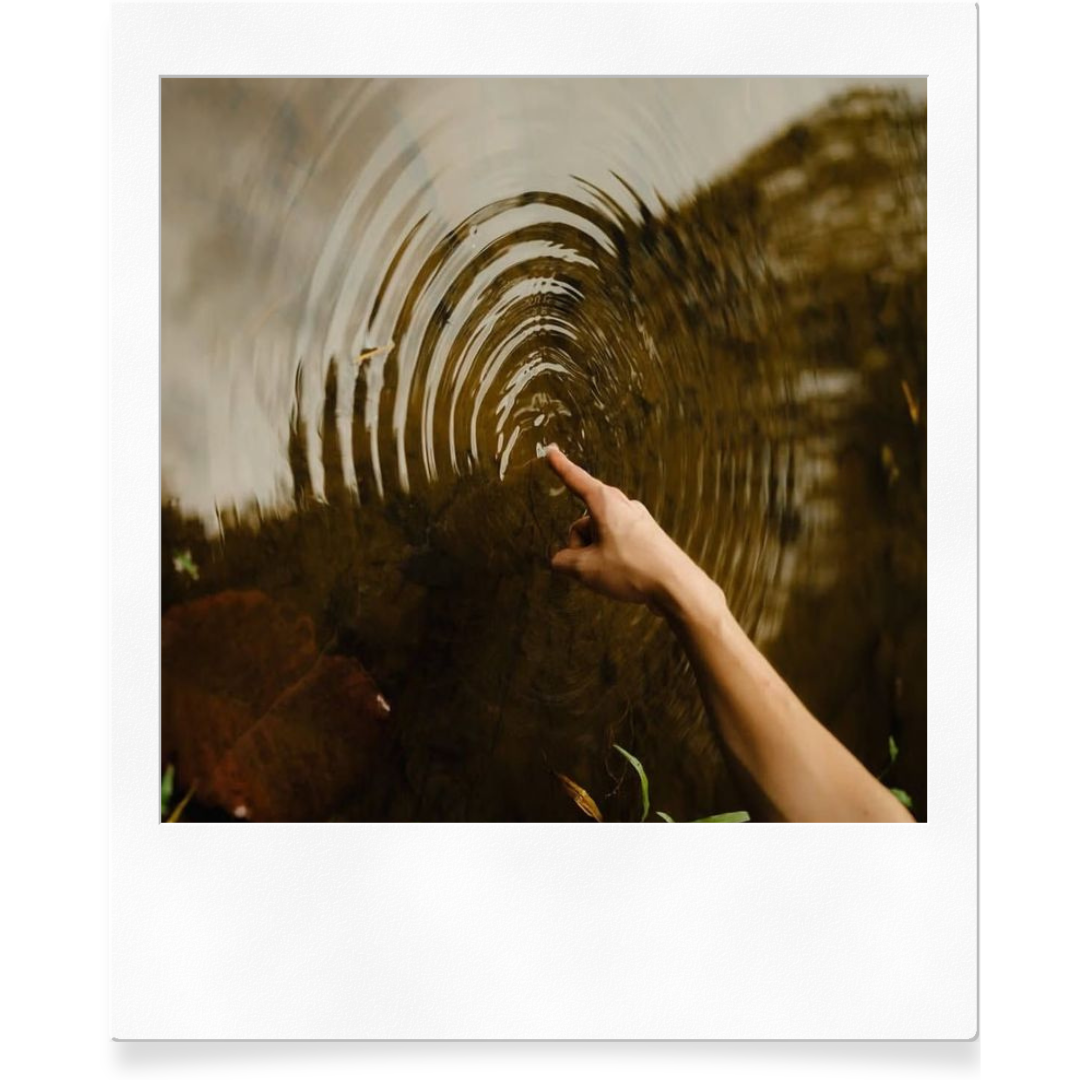
At its most basic level, sound is vibration.
And the body is exquisitely responsive to vibration.
Sound interacts directly with:
the nervous system
brainwave states

breath & circulation
muscle tone & holding patterns
emotional and somatic memory
Rather than working only through insight or talking things through, sound works through resonance. Certain frequencies invite the body out of high-alert states and into conditions where regulation, release, and reorganization become possible.
In this way, sound becomes a doorway.
Not an escape.
Not a performance.
A doorway back into yourself.
Physiological State
Sound helps downshift chronic sympathetic activation and supports parasympathetic regulation, creating the internal safety needed for change.
Vibrational input can soften long-held muscular guarding and invite awareness into places that have been braced, numb, or disconnected.


How This Fits My PNSR Approach
Psychoneurosomatic Repatterning (PNSR) recognizes that lasting change happens when we work with the body, not just the mind.
Sound healing aligns naturally with this framework because it directly supports several core layers of patterning:
Cognitive & Narrative Frame
Sound does not replace therapy.
It deepens and accelerates what therapy makes possible.
When the body reorganizes, perspective often shifts naturally. Insight arises as a consequence of regulation rather than effort.
Somatic Patterns
Emotional Landscape
As the system settles, emotions often emerge organically, without forcing or reliving. Many people experience release, clarity, or emotional resolution without needing to narrate the story.


What a Session Is Like
Sessions are 90 minutes and may be offered as:
a standalone sound healing session, or
an integrated therapy + sound session, depending on your needs
While every session is tailored, the general flow includes:
Arrival and grounding
We start slowly, orienting your system and assessing what state your body is in that day.Intentional sound immersion
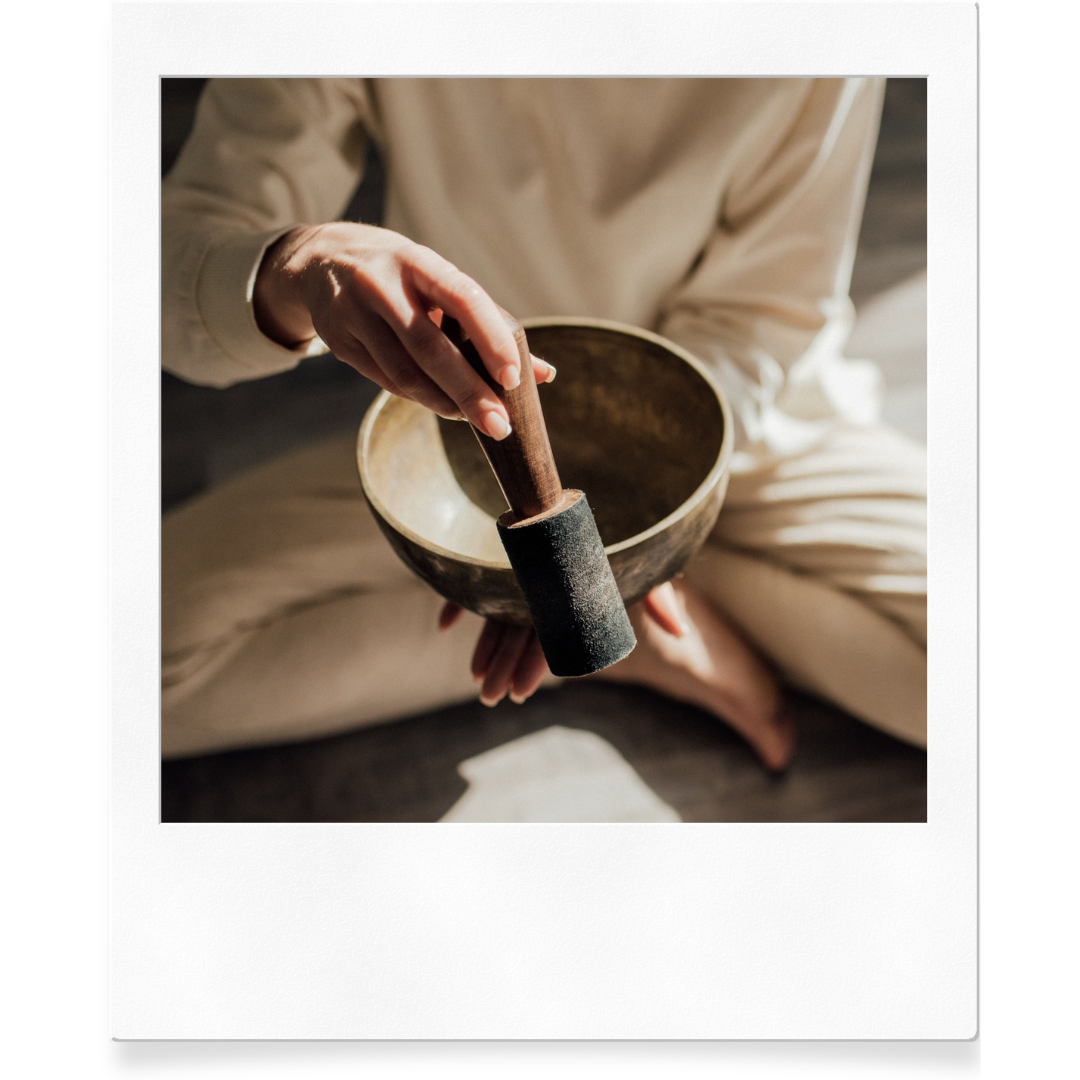
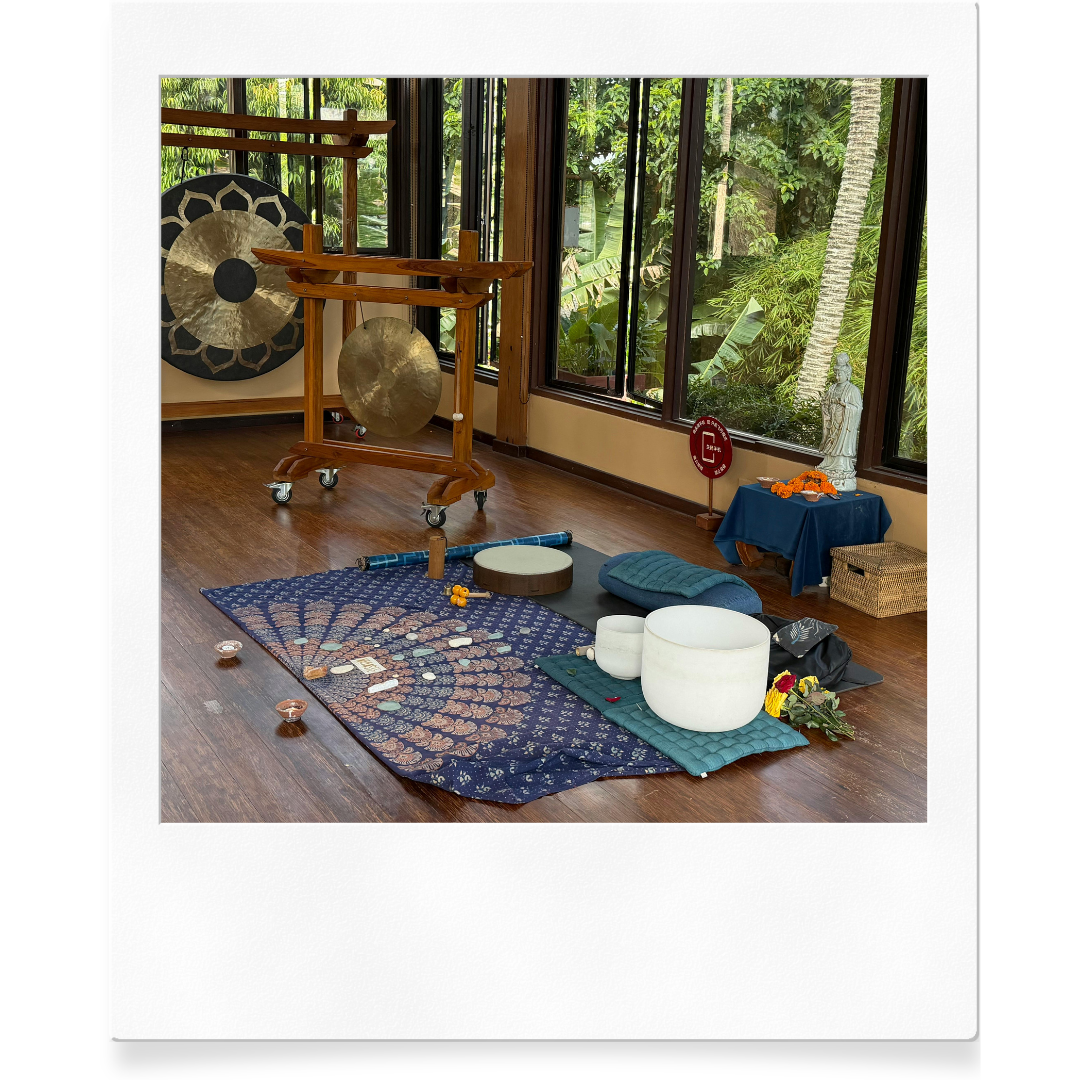
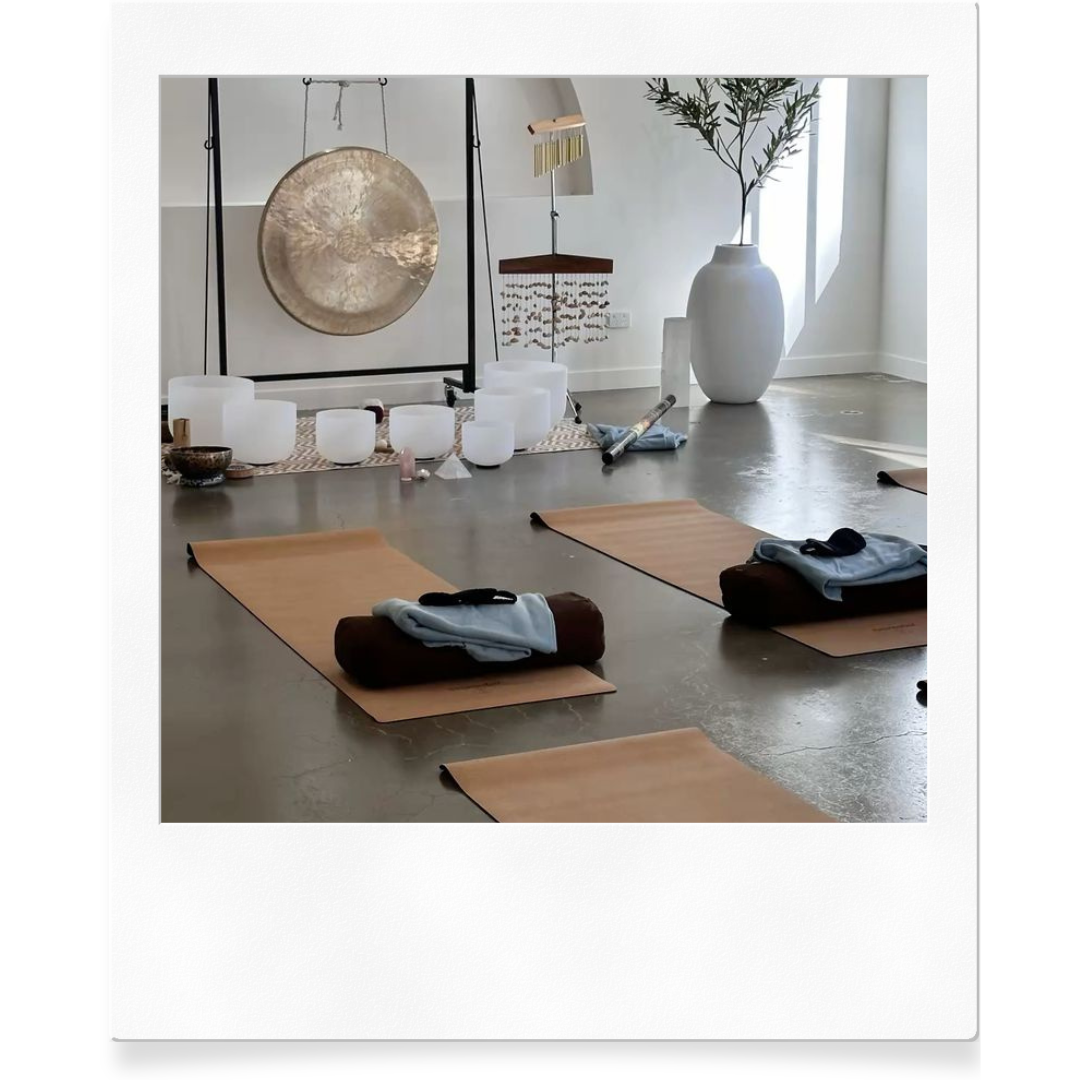
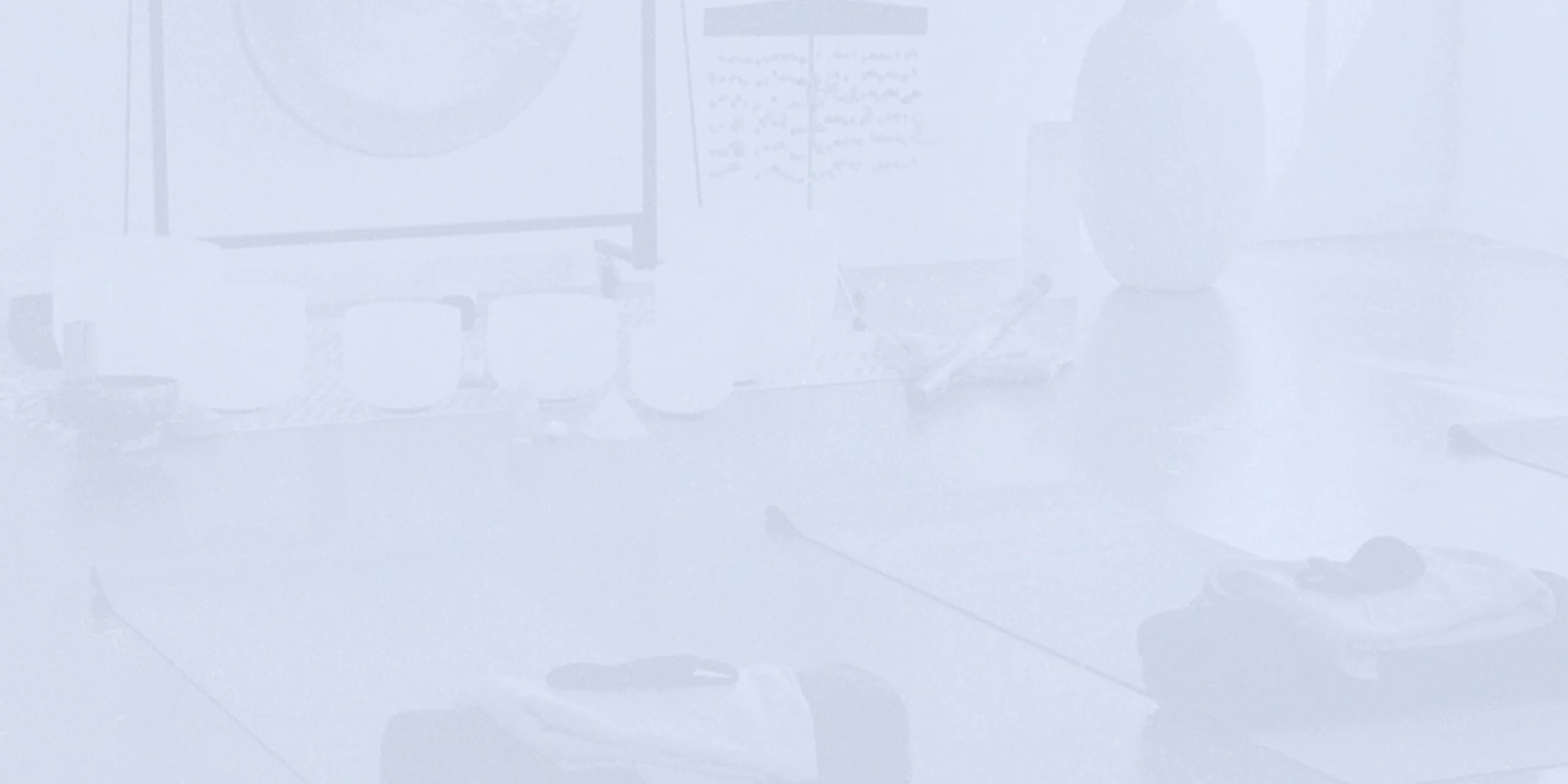
Using crystal singing bowls and other resonant instruments, sound is applied in a way that supports regulation, coherence, and internal listening rather than overwhelm.Nervous system tracking
I stay attuned to shifts in breath, tension, and state, adjusting the soundscape as needed to support safety and integration.Integration
Time is built in to orient, reflect, and help your system absorb and stabilize what emerged.
Some sessions are deeply quiet and subtle.
Others involve release, imagery, or emotional movement.
All are guided by your system, not a predetermined agenda.
Why Sound Can Be So Powerful
Many patterns were formed before language.
Some were formed when thinking your way through something was never an option.
Sound works at the level where:
the body remembers
the nervous system organizes
and healing does not require explanation
Clients often report:
a sense of settling or “coming home” internally
relief from chronic tension or overactivation
emotional clarity without overwhelm
deeper access to intuition and internal cues
improved sleep and post-session regulation


Who This Work Is For
This offering is especially supportive for people who:
feel chronically activated, stuck, or disconnected
have done insight-based or talk therapy but sense something deeper is needed
struggle to settle their nervous system despite understanding their patterns
want a more embodied, experiential approach to healing
It works best for people who are open to slowing down and listening inward, rather than trying to force change.

How It Can Be Used
Sound healing can stand on its own, or be integrated into ongoing work. Some people use sessions:
during periods of transition or stress
alongside therapy to support deeper somatic integration
when they feel “stuck in their head”
as a way to reconnect with the body after long periods of disconnection
If we are already working together therapeutically, sound may be introduced when it serves the process and your nervous system is resourced enough to receive it.
A Note on Safety and Integration
Sound can open layers.
My role is to make sure those openings are held, regulated, and integrated.
This work is trauma-conscious, nervous-system–informed, and grounded in containment. We move at the pace your system can truly absorb.
Nothing is forced.
Nothing is rushed.
Nothing is done to you.